










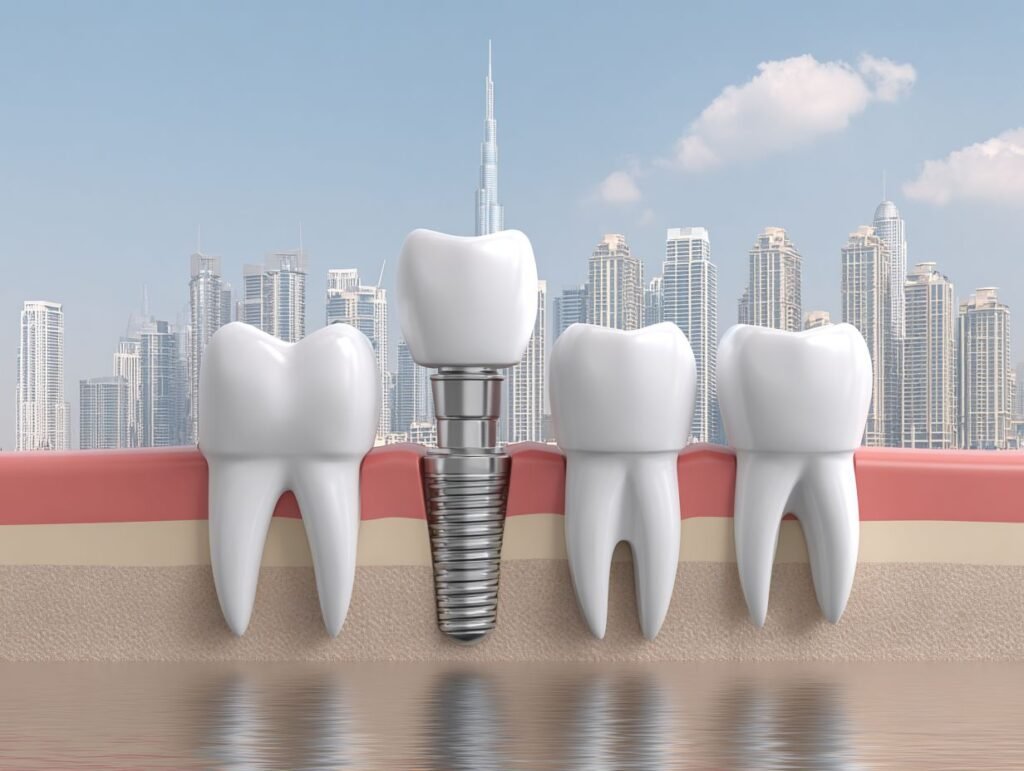
The best dental implant solution depends on the severity of tooth loss. A single tooth implant is usually recommended for one missing tooth, while an implant supported bridge works well for multiple missing teeth in the same area.
For severe tooth loss or complete tooth replacement, full arch treatments such as implant supported denture or All on 4 dental implants provide a stable and long lasting solution. Each option is designed to restore chewing ability, improve appearance, protect jawbone health, and support long term oral function. This article explains the different implant solutions available based on the extent of tooth loss and how to choose the right treatment for your needs.
Understanding Tooth Loss Severity
Most people do not panic after losing one tooth. They adjust. Chew on the other side. Smile a little differently in photos. But tooth loss has this slow ripple effect that sneaks up over time, especially when the missing area stays untreated for months or years.
Causes of Mild, Moderate, and Severe Tooth Loss
A single missing tooth is often tied to decay, sports injuries, or an old filling finally giving up. Moderate tooth loss usually comes from gum disease or teeth weakening one after another. Severe cases are different. The mouth starts feeling less stable overall, sometimes after years of infection, smoking, or just avoiding dental visits too long. It happens more quietly than people expect.
How Missing Teeth Affect Oral Health and Jawbone Structure
The strange part? Bone starts shrinking almost immediately after a tooth is gone. Since the jaw is no longer getting chewing pressure in that spot, it slowly thins out underneath the gums. Nearby teeth drift a bit too. Some people notice food catching in awkward corners or a slight hollow look around the cheeks later on.
Why Early Treatment Improves Long Term Outcomes
Early treatment keeps things simpler. The jawbone stays stronger, surrounding teeth remain steadier, and implant placement is usually smoother. Waiting too long can mean extra procedures later. Honestly, catching the problem early saves a lot more than just teeth.
Single Tooth Implant for Minor Tooth Loss
A single missing tooth has this odd way of seeming “not urgent” until everyday stuff starts feeling off. Chewing chips on one side. Tiny whistle sounds while talking. Even the tongue keeps drifting toward the empty spot without thinking about it. Small thing, yes. But noticeable.
When a Single Implant Is Recommended
Ideal for One Missing Tooth
Single implants are usually recommended when one tooth is gone but the nearby teeth are still healthy and stable. This could happen after a cracked molar, deep cavity, or maybe a football accident years ago that finally caught up. The implant sits directly in the jaw, so it feels anchored instead of loose or plasticky.
Preserves Surrounding Natural Teeth
One reason dentists lean toward implants quite a bit, they do not depend on neighboring teeth for support. A traditional bridge often requires shaving healthy enamel down. Honestly, that part makes some patients uncomfortable once they hear about it. Implants leave those teeth alone.
Benefits of a Single Tooth Implant
Natural Appearance and Function
The replacement tooth is shaped to blend into the smile naturally, not stand out looking too perfect and shiny. Eating feels balanced again too. Crunchy bread, roasted nuts, chewy steak. Those textures matter more than people expect.
Helps Maintain Jawbone Health
When a tooth disappears, the jaw underneath slowly loses density because there is no pressure there anymore. Bone shrinkage sounds dramatic, but it actually happens quietly over time. An implant helps keep that area active during chewing.
Long Lasting and Stable Solution
Implants are known for staying firm and dependable for years when looked after properly. No wobbling. No clicking noises mid conversation. Just steady support that feels closer to a natural tooth than most people imagine at first.
You May Also Like: 5 Signs You Need to See an Endodontist in Dubai
Implant Bridge for Multiple Missing Teeth
Losing several teeth beside each other changes the whole rhythm of the mouth a bit. Food starts slipping into gaps, chewing feels uneven, and speaking can sound slightly different, especially with front tooth spaces. Some people even notice a faint “hollow” feeling along the gums after a while. An implant supported bridge is often used to rebuild that missing section without replacing every single tooth individually.
How an Implant Supported Bridge Works
Replaces Several Adjacent Missing Teeth
This treatment is designed for people missing multiple teeth in the same area. Instead of placing one implant for every gap, the bridge connects several replacement teeth together. It restores the section as one stable unit, which usually feels more comfortable during daily use.
Uses Implants as Anchors Instead of Natural Teeth
Traditional bridges rely on nearby teeth for support. Implant bridges work differently. Small titanium implants are placed into the jawbone first, then the bridge attaches securely on top. So the pressure stays on the implants, not on healthy surrounding teeth. That is honestly a smarter long term setup in many cases.
Advantages of an Implant Bridge
Improved Chewing and Speaking Ability
Once the bridge settles properly, chewing tends to feel more balanced again. Crisp foods, tougher bites, even casual conversation becomes easier because the teeth stay fixed and steady while speaking.
Prevents Shifting of Nearby Teeth
Empty spaces often cause nearby teeth to lean or drift slowly over time. An implant bridge helps keep everything aligned better, which protects bite balance and reduces uneven pressure inside the mouth.
More Stable Than a Traditional Bridge
Because the bridge is secured with implants, it usually feels firmer than removable or tooth supported alternatives. No slipping sensation. No awkward movement while eating hot soup or crunchy snacks either.
Full Arch Implant Solution for Severe Tooth Loss
Severe tooth loss affects more than chewing. The face can start looking a little sunken, speech feels less clear, and even soft meals become frustrating sometimes. A lot of patients describe this stage as exhausting, not just uncomfortable. Full arch implant solutions are designed to rebuild the entire smile with stronger support and a more natural feel.
Implant Supported Denture
Suitable for Extensive Tooth Loss
Implant supported dentures are commonly used when most or all teeth are missing. Instead of resting loosely on the gums, the denture connects to implants placed in the jawbone. That extra support changes the experience quite a bit actually.
Provides Better Stability Than Removable Denture
Traditional dentures can slide while talking or eating warm food, especially after bone shrinkage begins. Implant supported dentures feel steadier and more secure. Less movement, less rubbing on the gums, and fewer awkward moments during meals or conversation.
All on 4 Dental Implant Treatment
Uses Fewer Implants to Support a Full Arch
The All on 4 approach uses four carefully placed implants to support a complete upper or lower arch. Since the implants are angled strategically, patients often avoid needing as many implants as expected. That part surprises people.
Faster Restoration Process With Long Term Benefits
Many patients receive temporary teeth much sooner compared to traditional full mouth restoration methods. Recovery still takes time of course, but the overall process can feel quicker and more manageable for the right candidate.
Benefits of Full Mouth Implant Restoration
Restores Facial Structure and Confidence
Missing teeth can make the cheeks appear flatter over time because the jawbone loses support underneath. Full mouth implants help restore facial shape and give the smile a more natural fullness again. Patients often say they stop hiding their mouth in photos after treatment.
Improves Comfort and Bite Strength
Implants stay fixed in place, so biting feels stronger and more stable. Crunchy food, meat, even simple things like laughing without worrying about movement starts feeling normal again. Honestly, that freedom matters a lot.
Supports Long Term Oral Health
Full arch implants help preserve jawbone density and reduce further bone loss. They also create a more balanced bite, which lowers strain on the jaw and surrounding oral structures over time.
Choosing the Right Implant Solution
Picking the right implant treatment is not always as simple as “replace the missing tooth.” Some mouths need a small fix. Others need a full rebuild after years of wear, gum trouble, or bone shrinkage. The best option usually comes down to what feels stable, practical, and realistic long term.
Factors That Affect Treatment Choice
Number of Missing Teeth
One missing tooth is a very different situation from losing an entire row of teeth. Small gaps may only need a single implant, while larger empty sections often work better with an implant bridge or full arch setup. The more missing support there is, the more pressure the jaw has to handle elsewhere.
Jawbone Condition
Implants need solid bone underneath to stay secure. If the jaw has thinned out over time, extra preparation may be needed first. Dentists often spot bone loss during scans before patients even realize it themselves. Sometimes the jaw looks fine outside, but underneath tells another story.
Lifestyle and Budget Considerations
For patients comparing long term value, it also helps to understand the difference between implants and bridges, especially when treatment costs, durability, and maintenance are part of the decision.
Importance of Professional Consultation
Personalized Treatment Planning
Every smile wears down differently. Age, gum condition, bite pressure, old dental work. It all matters. A proper consultation helps match the treatment to the actual condition of the mouth instead of guessing.
Digital Imaging and Oral Assessment
Modern scans give a much clearer picture of bone structure and implant placement areas. Patients usually understand their situation better once they see the imaging in front of them. Makes things feel more real somehow.
Long Term Maintenance and Care Guidance
Implants are strong, but they still need care. Regular cleaning, checkups, and healthy gum maintenance help keep everything stable over the years. Skipping aftercare usually catches up eventually.
Restore Your Smile Before Tooth Loss Gets Worse
Even a small gap in the mouth can lead to bigger problems over time, from bone loss to difficulty chewing comfortably. The good news is that modern implant solutions can restore both function and confidence naturally. Whether you need one implant or full arch restoration, getting treatment early usually gives better results. Contact Pure White Medical Center today and book your implant consultation before the damage becomes harder to reverse.
Useful Information About: Understanding Dental Insurance Coverage in the UAE
Frequently Asked Questions
How do dentists decide which implant solution is best?
The right implant option depends on the number of missing teeth, jawbone condition, gum health, and daily lifestyle needs. A dental consultation and scan usually help determine the most suitable treatment.
Can dental implants work if I have severe tooth loss?
Yes, full arch treatments like All on 4 implants or implant supported dentures are designed for severe tooth loss. These options restore chewing ability, smile appearance, and jaw support more securely.
Is an implant bridge better than a traditional bridge?
An implant bridge is often more stable because it uses implants for support instead of nearby teeth. It also helps preserve jawbone strength and avoids damaging healthy surrounding teeth.
How long do dental implants usually last?
Dental implants can last many years with proper oral hygiene and regular dental checkups. The implant itself is highly durable, though crowns or restorations may occasionally need maintenance over time.
What happens if missing teeth are left untreated?
Untreated tooth loss can lead to jawbone shrinkage, shifting teeth, bite problems, and difficulty chewing comfortably. Over time, even facial structure may change as bone support gradually decreases.





 Arabic
  English