
Dental implants are highly durable, but in some cases they can loosen or fall out due to infection, bone loss, poor healing, excessive pressure, or improper oral care. Early signs such as pain, swelling, gum recession, or implant movement should never be ignored. This article explains why dental implant failure happens, how dentists diagnose the problem, available treatment solutions, and the best ways to prevent complications and maintain long-term implant success.
What Is a Dental Implant?
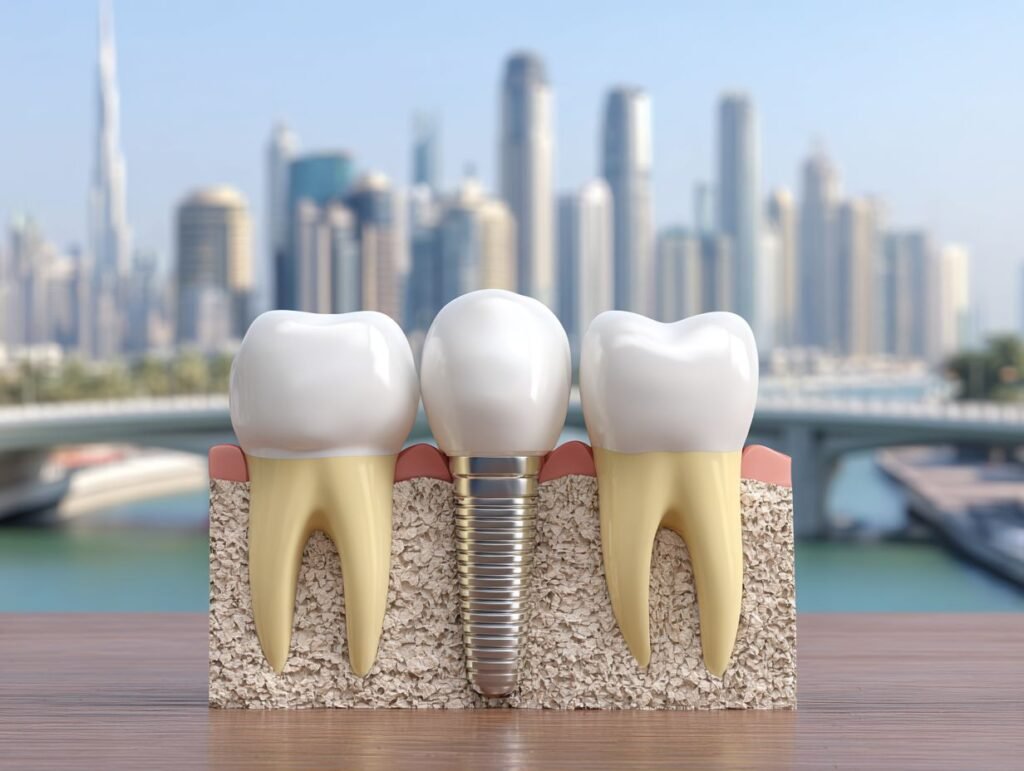
A dental implant replaces the root of a missing tooth. The dentist places a small titanium post into the jawbone, and after healing, a crown is fixed on top. Simple idea, but the result feels surprisingly close to a real tooth for most people. Unlike dentures that can move slightly while talking or eating, an implant stays put. That stability is usually the first thing patients notice.
How a Dental Implant Works
The titanium post is placed beneath the gum where the missing tooth used to be. Then comes the healing stage. Over time, the jawbone slowly locks around the implant. Dentists call this osseointegration, though most patients just know it as “waiting for it to heal.” Once the area is fully healed, the crown gets attached. It’s matched to nearby teeth so it doesn’t catch attention every time you smile or laugh under bright light.
Why Dental Implant Is Considered a Long-Term Solution
Dental implants are built to handle daily pressure from chewing, biting, and speaking. They also help keep the jawbone active, which matters because bone can shrink after tooth loss. A lot of people don’t realize that part. Another reason implants last longer? They don’t depend on nearby teeth for support. That reduces extra strain inside the mouth. Still, implants are not indestructible. Smoking, gum infection, or heavy grinding during sleep can wear things down faster than expected. Seen it happen even with good-looking implants from the outside.
Something Dentists Often Notice Early
An implant problem rarely starts with dramatic pain. Sometimes it’s just a strange tight feeling while chewing, or gums that look slightly darker around one side. Small changes like that are easy to dismiss. Probably shouldn’t be.
You May Also Like: Managing Dental Anxiety: Sedation Options Available in Dubai
Can a Dental Implant Fall Out?
Yes, but it’s not usually sudden like in movies where a tooth just drops out mid-bite. In many cases, the crown loosens first. That’s the visible tooth part, not the implant itself. A dentist can often tighten or replace it pretty easily.
Understanding Implant Failure
Real implant failure happens when the titanium post loses support from the jawbone. Early problems often show up during healing, mostly from infection or poor bone bonding. Late failure is slower. Gum disease, smoking, or years of grinding can quietly damage the area underneath. Sometimes the first clue is subtle, a tiny click while chewing or soreness that comes and goes.
Is It Common?
Not really. Dental implants succeed in most cases when gums stay healthy and oral care stays consistent. But neglected gums can weaken almost anything over time.
Worth Noticing Early
If an implant suddenly feels “off,” trust that feeling. Tiny changes matter here.
Signs a Dental Implant May Be Failing
Most failing implants don’t start with dramatic pain. It’s usually little things. A weird pressure while chewing. Slight tenderness that keeps showing up in the same spot. That “something feels off” feeling people can’t quite explain.
Movement or Discomfort
An implant should stay solid. If it wiggles even slightly or feels sore when biting into harder food, don’t ignore it. Some patients notice a faint clicking sensation first. Others just stop chewing on that side without thinking much about it.
Changes Around the Gums
Healthy gums normally sit tight around the implant. Redness, bleeding, or gums looking thinner near the metal edge can mean trouble underneath. Sometimes there’s no pain at all, which honestly makes it easier to miss.
Everyday Functional Problems
A bitter taste, stubborn bad breath, or discomfort while eating can also point toward infection around the implant area.
Pro Tip
An implant should feel the same every day. If chewing suddenly feels different on one side for more than a few days, even without strong pain, it’s worth getting checked before the problem gets harder to fix.
Treatment Options for a Failed Implant
Sometimes the implant isn’t the real issue. It’s the gum around it. Or the crown sitting too high when you bite down. Dentists usually check those things first before talking about removal.
Cleaning and Infection Treatment
If the area smells bad, bleeds easily, or feels sore while brushing, bacteria may already be trapped under the gums. A deep cleaning is often the starting point. Not pleasant exactly, but it can stop the infection before bone loss gets worse.
Bone and Implant Repair
When the implant loses bone support, grafting may be needed to build the area back up. In some cases, the implant has to come out completely. Especially if it moves. A stable implant shouldn’t wobble at all, even slightly.
Bite and Crown Adjustments
Oddly enough, some people only notice the problem while eating crispy food or chewing steak. The crown may just need tightening or the bite pressure adjusted.
Easy to Miss at First
Bleeding gums, a loose feeling, pain that keeps returning, or difficulty chewing on one side are all worth checking early. Implant problems tend to grow quietly.
When to See a Dentist
Sometimes the warning signs are subtle, which is why preventive dental care with modern diagnostic tools plays a bigger role than people expect in protecting dental implants long term.
Persistent Pain, Swelling, or Bleeding
Gums around an implant should not stay puffy or bleed every time you brush. A dull ache, warm feeling near the gums, or soreness that keeps returning can point toward infection underneath.
Loose Implant or Crown
A crown may loosen without the implant failing completely, but neither should move around. Even a tiny wobble matters here. Healthy implants feel solid. End of story.
Difficulty Eating or Speaking Normally
If you keep avoiding one side while eating, or certain words suddenly feel awkward to pronounce, the implant may not be sitting right anymore. Strange little changes in the mouth tend to show up during everyday habits first. That’s why integrating professional care with daily habits for complete wellness matters more than most people realize.
Don’t Ignore the Small Signs Before They Turn Serious
A dental implant should feel stable, comfortable, and easy to live with. If you notice soreness, movement, bleeding gums, or changes while eating, don’t wait for the problem to worsen quietly. Early treatment can often save the implant and prevent costly complications later. Contact a qualified dental professional as soon as possible to get the area checked and protect your smile before more damage develops.
Interesting Read: Bridal Beauty Timeline: Dental and Skin Treatments Before Your Dubai Wedding
FAQs
Can a dental implant fall out years later?
Yes, a dental implant can fail even after several years if bone loss, gum infection, or heavy grinding weakens the support around it. Many people assume implants last forever without maintenance, but gum health still matters. Regular dental checkups help catch small issues before the implant becomes loose or painful.
How do I know if my implant is failing?
Early signs often feel subtle at first. You may notice soreness while chewing, slight movement, swollen gums, bleeding, or a bad taste near the implant area. Some people simply avoid chewing on one side without realizing it. A healthy implant should feel stable and comfortable every day.
Can a loose dental implant be fixed?
Sometimes yes. If only the crown or abutment is loose, the dentist may tighten or replace the part without removing the implant. If the implant itself has lost bone support, treatment may involve deep cleaning, bone grafting, or replacement. Early treatment usually gives better outcomes and fewer complications.
What causes dental implant failure most often?
Gum infection around the implant is one of the biggest causes. Smoking, poor oral hygiene, teeth grinding, and uncontrolled diabetes can also increase the risk. In some cases, the jawbone does not heal properly around the implant after placement, especially during the first few months of recovery.
Should I see a dentist if my implant does not hurt?
Yes. Implant problems do not always cause strong pain in the beginning. A loose feeling, mild swelling, bleeding gums, or discomfort while eating can still point toward hidden damage underneath. Waiting too long may lead to bone loss, which can make treatment more difficult and more expensive later on.