
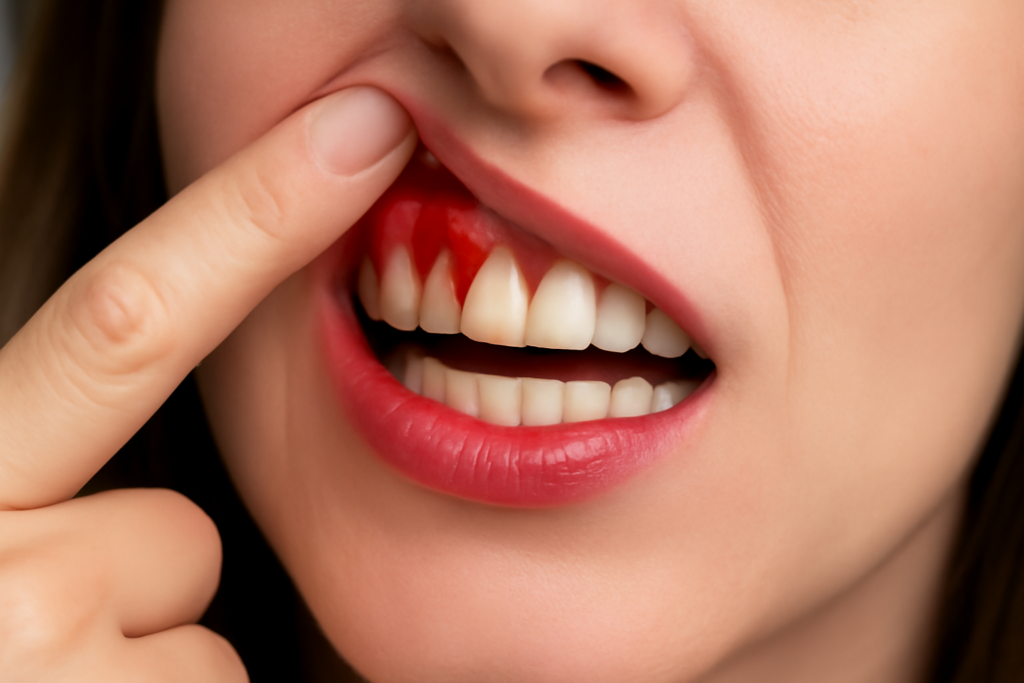
Gum disease can often be treated successfully when it is diagnosed early. Early treatment helps stop infection, reduce gum inflammation, protect the supporting bone around the teeth, and lower the risk of tooth loss. Common symptoms include bleeding gums, swelling, bad breath, and gum sensitivity. This article explains what gum disease is, the early warning signs to watch for, available treatment options, and how proper dental care can help maintain healthy gums and a healthy smile. It also covers preventive habits and the importance of professional dental checkups for long term oral health.
What Is Gum Disease and Why Does It Happen?
Most people do not notice gum disease right away. It usually begins with tiny changes. Your gums bleed a bit when spitting after brushing. Breath feels stale again an hour later. Maybe the gumline looks darker near one tooth and you keep ignoring it because nothing actually hurts. That is the tricky part. Gum disease happens when plaque and bacteria stay around the teeth too long. The gums react first. They become irritated, swollen, sometimes almost glossy looking. If the buildup hardens into tartar, brushing alone will not remove it anymore.
Understanding Gingivitis and Periodontitis
Early gum disease is called gingivitis. The gums may feel tender or bleed during flossing, especially near the back teeth where people rush the most. At this stage, the condition is usually reversible with proper cleaning and consistent care.
Periodontitis is more serious. The infection spreads below the gums and slowly damages the tissue and bone supporting the teeth. Teeth can start feeling different while chewing. Not dramatically loose at first. Just… off. Slight movement, extra sensitivity, pressure near the roots. And honestly, many people still wait because the pain is not severe yet.
Common Causes of Gum Disease
A few common habits and health conditions increase the risk:
- Plaque buildup along the gumline
- Smoking or vaping
- Diabetes
- Dry mouth from certain medications
- Skipping dental cleanings
- Poor flossing habits
- Crowded teeth that trap food easily
Even stress can affect gum health. The body tends to show inflammation in the mouth pretty quickly sometimes.
Early Warning Signs You Should Not Ignore
Watch for signs like:
- Bleeding while brushing
- Swollen gums
- Persistent bad breath
- Gum recession
- Sensitivity near the gumline
Healthy gums generally do not bleed during normal brushing. That small streak of pink in the sink people notice sometimes? Yeah, that can be an early warning sign.
How Early Treatment Can Protect Your Smile
Catching gum disease early makes a huge difference. The infection is easier to control, the gums recover faster, and the chances of long term damage drop quite a bit. Once the disease moves deeper below the gumline, treatment becomes more complicated. So timing matters here more than people realize.
Preventing Tooth Loss and Gum Damage
Early treatment helps stop the infection before it reaches the bone supporting the teeth. That support system is important. When bacteria stay trapped under the gums for too long, the tissue slowly weakens and teeth can start shifting or loosening over time. It rarely happens overnight though. Usually the changes are gradual. Slight gum recession. Mild sensitivity while chewing. People often notice something feels “different” before they understand what is actually happening.
Reducing Inflammation and Infection
Swollen gums are a sign the body is reacting to bacteria buildup. The area may look redder than usual or feel sore during brushing. Sometimes there is a dull tenderness near the gumline that keeps returning.
Professional treatment removes plaque and hardened tartar that regular brushing cannot fully clean away. This helps reduce:
- Bleeding gums
- Swelling
- Bad breath
- Gum irritation
The mouth generally feels cleaner afterward. Less pressure, less irritation. Just healthier overall.
Protecting Overall Oral Health
Healthy gums help protect the entire mouth, not only the teeth. Treating gum disease early makes daily brushing more comfortable and helps prevent deeper dental problems later on. And honestly, smaller issues are usually easier to manage before they turn into complicated procedures. That alone is reason enough not to delay treatment.
Treatment Options for Early Gum Disease
Treating gum disease early is usually far less complicated than people expect. The goal is to get rid of the bacteria irritating the gums before the infection starts affecting the tissue underneath. In early stages, the gums can often recover well with proper cleaning and a few consistent habits at home. A lot of people wait because nothing feels seriously painful yet. Just slight bleeding. Maybe tenderness near one side while flossing. Easy to ignore, honestly.
Professional Teeth Cleaning
Professional cleaning clears away plaque and tartar that sit around the gumline. That buildup becomes stubborn once it hardens, especially behind the back teeth where brushing tends to get rushed at night. After cleaning, the gums usually feel calmer within a few days. Less soreness while brushing. Less of that swollen feeling near the edges of the teeth.
One thing patients mention often is how different the mouth feels afterward. Cleaner air when breathing out. Teeth feel slick instead of rough or chalky by the end of the day.
Deep Cleaning and Scaling Procedures
If the infection has started moving below the gums, a deeper cleaning may be needed. Dentists call this scaling and root planing. The area under the gums gets cleaned carefully to remove trapped bacteria and tartar. Then the root surfaces are smoothed so the gums can heal against the teeth more naturally again. Sounds intimidating at first, not gonna lie. But most people handle it well. There can be mild sensitivity afterward, mostly with cold drinks or very hot coffee for a short time.
Improving Daily Oral Care Habits
Treatment helps, but daily habits are what keep the gums stable afterward.
Usually, dentists recommend:
- Brushing gently along the gumline
- Flossing consistently
- Drinking enough water during the day
- Avoiding tobacco products
- Keeping regular dental checkups
Oddly enough, gum disease often builds slowly and quietly. No major warning at first. Just little signs people get used to seeing every morning and stop questioning.
Explore More: When Gum Contouring Is the Right Choice for Your Smile
How to Prevent Gum Disease From Returning
Gums do not suddenly become unhealthy overnight. Usually it starts with tiny things people stop noticing after a while. A little sting while flossing. Slight puffiness near the molars. Sometimes the toothbrush foam turns faint pink and people just… carry on with their morning. That is normally how gum disease sneaks back.
Daily Brushing and Flossing Tips
Most people focus on the teeth and rush past the gums completely. Dentists actually pay close attention to that thin edge where the tooth meets the gum because plaque collects there first. Gentle brushing works better than aggressive scrubbing. The gums are soft tissue. They get irritated pretty easily, especially with hard bristles or heavy pressure.
A few basics help more than people think:
- Brush slowly around the gumline
- Floss before bed, not once a week
- Swap old toothbrushes before the bristles flatten out
Importance of Regular Dental Checkups
Even people who brush properly still develop tartar sometimes. It builds up quietly in spots that are awkward to reach, especially behind back teeth. Once it hardens, home brushing will not remove it. That is where dental cleanings help. Dentists also notice early gum changes most people miss completely, like tiny pockets or recession starting near one side of the mouth.
Lifestyle Habits That Support Healthy Gums
The mouth reacts fast to everyday habits. Smoking, poor sleep, stress, constant snacking… it all shows up there eventually. And dry mouth makes things worse. When the mouth feels sticky for hours, bacteria tend to sit around longer near the gums. You can actually feel it sometimes, especially waking up in the morning with that rough, coated feeling along the teeth.
Why Choose Pure White Medical Center for Gum Disease Care
Most people do not book a gum checkup after the first symptom. They wait. The bleeding seems minor. The swelling disappears for a few days. Then it comes back again while brushing near the same tooth. That is something the dental team at Pure White Medical Center sees often.
Personalized Dental Care and Early Diagnosis
Gum problems do not always look obvious in the beginning. Sometimes the gums simply feel irritated near the back teeth. Sometimes patients notice sensitivity while drinking cold water and assume it is nothing serious. The clinic checks for early inflammation, plaque buildup, gum recession, and areas where bacteria may already be affecting the tissue under the gums. Patients are talked through the condition clearly, without complicated explanations that make everything sound worse than it is.
Advanced Treatment for Healthy Gums
Treatments are planned based on how advanced the gum condition actually is. Some patients only need professional cleaning and improved home care. Others may need deeper cleaning around the gumline where tartar has been sitting for a while. The focus stays on controlling the infection early and helping the gums settle back into a healthier state before long term damage develops.
Comfortable and Patient Focused Experience
A dental visit feels very different when the staff are calm and patient with people. Especially nervous patients. The clinic keeps appointments straightforward and comfortable, with attention to gentle care and clear communication throughout the treatment. Small things help more than people realize sometimes. Even having someone explain what they are doing before starting treatment tends to make patients relax a bit.
Do Not Ignore the Early Signs of Gum Disease
Bleeding gums, swelling, or constant bad breath may seem minor now, but gum disease can worsen quietly over time and lead to permanent damage if left untreated. Getting care early is usually simpler, faster, and far less stressful. If your gums have been feeling irritated lately, this is a good time to act. Contact Pure White Medical Center today to schedule a dental consultation and protect your smile before the condition becomes more serious.
You May Also Like: The Connection Between Gum Disease and Heart Health
FAQs
Can gum disease be reversed in the early stage?
Yes. Early gum disease, called gingivitis, can often be reversed with professional dental cleaning, regular brushing, flossing, and improved oral hygiene habits before deeper gum damage develops.
What happens if gum disease is left untreated?
Untreated gum disease can damage the gums and supporting bone around the teeth. Over time, it may cause gum recession, loose teeth, persistent infection, and eventually tooth loss.
Is gum disease treatment painful?
Most early gum disease treatments are manageable and cause minimal discomfort. Some patients may feel mild sensitivity after deep cleaning, especially with hot or cold foods for a short time.
How often should I visit a dentist for gum health?
Most dentists recommend checkups and professional cleanings every six months. People with gum disease or higher risk factors may need more frequent dental visits for monitoring and care.
Can healthy gums help prevent tooth loss?
Yes. Healthy gums support the teeth and help keep them stable. Treating gum disease early reduces the risk of bone damage, loose teeth, and long term tooth loss complications.