

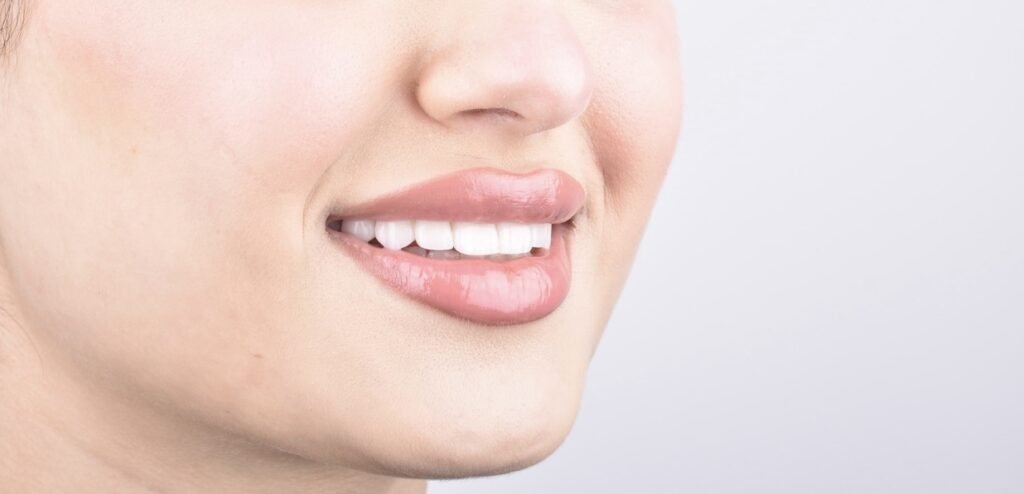
Achieving a Brighter Smile with Veneers
Dental veneers, while highly aesthetic and stain-resistant, cannot be whitened using traditional methods. This guide explores effective strategies for maintaining their pristine appearance, including diligent oral hygiene, avoiding stain-inducing foods, and regular professional cleanings. We delve into the distinctions between porcelain and composite veneers regarding their longevity and stain resistance, and provide clear indicators for when veneer replacement becomes necessary. Additionally, we offer practical advice on preventing discoloration and highlight the critical role of expert dental guidance in preserving your dazzling smile. For residents in Dubai, understanding these nuances is key to long-term veneer care.
Can Veneers Truly Be Whitened?
This catches a lot of people out. They notice their smile doesn’t look quite as bright as it once did and assume a whitening treatment will sort it out. Seems logical. After all, that’s what works for natural teeth. Veneers are different. Once a veneer is made and bonded in place, its shade is essentially locked in. Porcelain and composite resin don’t respond to whitening gels the way natural enamel does. You can leave a bleaching tray on for hours and the veneer will look exactly the same afterward. That’s because the material isn’t porous like a natural tooth. In fact, it’s one of the reasons veneers resist staining so well in the first place. If the color no longer suits you, whitening isn’t the answer. A replacement veneer usually is.
Understanding Veneer Materials and Their Response to Stains
Porcelain veneers have a bit of an advantage when it comes to staying white. Their surface is dense and glass-like, so stains struggle to settle in. You know how a coffee mug can develop a faint brown ring over time? Porcelain doesn’t usually behave that way. Most people can keep drinking coffee or tea and notice very little change in the shade of their veneers. That’s one reason dentists often consider porcelain the longer-lasting option for appearance. It simply holds its color well. Less fuss, fewer surprises. For many patients, that’s a big plus.
Composite veneers are more porous. Not dramatically, but enough that dark drinks and richly colored foods can leave their mark over time. The change tends to creep in slowly. A daily latte, strong black tea, even that tomato-based pasta you love. Nothing happens overnight. Then one day, under bright bathroom lights or in a photo, the veneers look a touch warmer than before. Not bad, just different. Composite remains a solid choice because it’s more affordable and quicker to place, though keeping that fresh, bright look usually takes a little more attention.
Why Traditional Whitening Falls Short
Hydrogen peroxide and carbamide peroxide work by moving through tooth enamel and breaking apart stain molecules below the surface. Veneers don’t have that same structure. Their outer layer is non porous, so whitening ingredients can’t really get inside and change the color. Put simply, what works on natural teeth does not work on veneers.
The tricky part comes later. A person may finish a whitening treatment, look in the mirror under bright bathroom lights, and notice something feels slightly off. The natural teeth appear lighter, but the veneers stay the shade they were from the start. Sometimes the contrast is subtle. Sometimes it’s not. In my view, that’s the biggest reason to get professional advice before whitening. It helps avoid a smile that looks uneven rather than refreshed.
Learn More About: Temporary vs Permanent Veneers: What You Should Know Before Choosing
How to Keep Your Veneers Looking Bright and Pristine
Veneers do not respond to whitening products the way natural teeth do. That’s why upkeep matters more than chasing a brighter shade. Over time, tiny traces of coffee, tea, red wine, or even dark sauces can leave a faint film on the surface. Not always obvious at first. Then one day the smile just looks a little less crisp. In my view, regular maintenance is the better route. A smooth, polished veneer catches light differently and simply looks fresher. Good brushing habits, routine dental visits, and keeping the gums healthy go a long way. Often, it’s those small details around the veneers that make the biggest visual difference.
Daily Habits for Long-Lasting Luster
What you do every day matters more than any occasional treatment. Veneers look their best when the basics are done well. A soft toothbrush, gentle brushing, and a non abrasive toothpaste are usually enough. No need to scrub hard. In fact, that can do more harm than good. Some whitening toothpastes feel gritty between the teeth, almost like a fine polish. That texture may gradually wear down the surface, especially on composite veneers. Once tiny scratches appear, stains tend to settle in more easily. The change is often subtle at first. Then the veneers lose a bit of that smooth, glossy finish people notice in a healthy smile.
Veneer Material Comparison
| Feature | Porcelain Veneers | Composite Veneers |
|---|---|---|
| Material | Ceramic | Resin |
| Stain Resistance | High (non-porous) | Moderate (more porous, prone to surface stains) |
| Durability | Very high (10-15+ years) | Moderate (4-8 years) |
| Cost | Higher | Lower |
| Procedure Time | Typically 2 visits | Often 1 visit |
| Maintenance | Regular cleaning, professional polishing | Regular cleaning, professional polishing, re-polishing |
A lot of people focus on the front of their teeth and forget the narrow spaces in between. That’s usually where plaque likes to hang around. You don’t always see it, but you can often feel it. A slightly rough spot near the gum line. Something that doesn’t feel quite clean. Daily flossing helps remove that buildup before it causes trouble. Healthy gums sit neatly around veneers and create a more natural look. When gums become irritated or swollen, even beautiful veneers can seem less convincing. Personally, floss is one of those small habits that pays off quietly. If spaces are tight, an interdental brush or water flosser can make cleaning easier and more comfortable.
Dietary Choices and Lifestyle Adjustments
Some stains don’t arrive all at once. They build quietly. That morning coffee. The extra cup of tea during a long afternoon. A spoonful of dark pasta sauce. Over time, those little habits can affect how bright veneers look, especially composite ones. Porcelain veneers resist stains better, which is one reason many dentists prefer them for long term aesthetics. Still, no veneer is completely untouched by years of exposure. A quick rinse with water after strongly colored foods or drinks is a simple step that can help. It takes seconds, but it’s one of those small habits that often pays off.
Smoking is a different story. The yellowish residue from tar and nicotine tends to cling where veneers meet the natural tooth, and that can make a smile look uneven. Sometimes the change is subtle at first. Then one day it shows up clearly in photos or under bright bathroom lights. Not ideal. Beyond the well known health risks, smoking can make veneer maintenance harder than it needs to be. For anyone investing in their smile, it’s probably one of the first habits worth reconsidering.
The Indispensable Role of Professional Dental Care
Even with a solid brushing routine, some spots are easy to miss. Plaque can settle along the gumline. Tiny deposits can build up in areas that don’t get much attention day to day. That’s where regular dental visits matter. A professional cleaning helps remove surface stains, plaque, and tartar without harming the veneer material. The smooth, polished feel you notice afterward? That’s often because dental hygienists use tools and polishing products designed for cosmetic dental work.
These checkups serve another purpose too. Veneers may look perfectly fine in the mirror while a small issue is developing underneath. A loose edge, minor chip, or early bonding concern can be difficult to spot on your own. Catching those problems early is usually simpler, faster, and less costly than waiting until something feels wrong. In my view, routine maintenance is one of the easiest ways to protect the investment you’ve already made in your smile.
When to Consider Veneer Replacement for a Renewed Smile
Even the best veneers don’t last forever. There usually isn’t one big moment when they need replacing. More often, it’s the little things. A slight chip along the edge, a duller appearance, or gums that have shifted over time. Sometimes they still function well but no longer look quite how you want them to. Knowing when to replace veneers comes down to their condition, your smile goals, and an honest conversation with a cosmetic dentist who can assess what’s really going on.
Clear Indicators for Replacement
Most veneers give you a few hints before they need replacing. Nothing dramatic. You might notice one tooth looking a touch darker in photos. Or your tongue keeps brushing against a tiny nick near the edge. Little things like that tend to stick in your mind once you’ve spotted them.
- Staining That Won’t Budge: Sometimes a veneer loses its fresh look and starts appearing dull or slightly discolored. If professional cleaning doesn’t make a difference, the issue may be deeper than surface stains.
- Chips or Cracks: Biting into something hard, or just years of wear, can leave a small crack or chipped corner. It might feel scratchy before it becomes visible.
- Gum Changes: Gums naturally shift over time. When they pull back, a thin strip of tooth near the veneer edge can show. In certain lighting, it’s surprisingly noticeable.
- Loose or Awkward Fit: Food getting caught in the same spot. A veneer that doesn’t feel quite right. Those are signs worth paying attention to.
- You Want a Different Look: Honestly, this is more common than people think. Preferences change. What looked perfect ten years ago might not feel like you anymore.
The Replacement Process and Cost Considerations
Replacing veneers is usually less surprising than getting them for the first time. The dentist removes the existing veneers, checks the teeth underneath, and plans the new restorations. Occasionally, small issues show up along the way. A faint stain near the gumline. A worn edge you can feel with your tongue but barely see. Taking care of these details first often helps the final result look more natural.
Then there’s the cost. It depends on the material used, the number of veneers being replaced, and the treatment involved. Porcelain generally comes with a higher price tag, but many dentists prefer it for its strength and lifelike finish. Not cheap, no. Yet for people bothered by aging veneers, the clean, glassy look of a refreshed smile can feel like money well spent.
Why Professional Guidance Matters: Your Partner in Smile Perfection
Navigating the world of cosmetic dentistry, especially concerning veneers, requires expert guidance. Every smile is a unique canvas, and a qualified cosmetic dentist acts as both an artist and a scientist, assessing your individual needs, oral health, and aesthetic aspirations to craft the most suitable treatment plan. Their expertise ensures not only the beauty but also the longevity and health of your smile.
The Value of a Personalized Consultation
A consultation usually starts with something simple. You point to a tooth and say, “This one doesn’t look right anymore.” Maybe it appears a little darker in photos. Maybe the edge catches your tongue every now and then. Small things, but they’re often the reason people book the appointment.
- The Veneers Themselves: The dentist checks for wear, tiny cracks, dull spots, and staining around the margins. A veneer can look perfectly fine under bathroom lighting and very different under a dental lamp.
- Your Teeth and Gums: Veneers don’t exist on their own. Gum levels change. Teeth change too. Even a slight shift can affect how natural a veneer looks.
- What You Actually Want: Not everyone walks in asking for a brighter smile. Quite a few patients want the opposite. Less brightness. Softer edges. Something that doesn’t immediately look like cosmetic work.
- Whether Anything Needs Doing: This is the part people often overlook. A concern doesn’t automatically mean replacement. Sometimes the dentist simply recommends keeping an eye on things and reviewing them later.
The most useful consultations are usually the least dramatic. No big reveal. Just a careful look, an honest opinion, and a clearer idea of what comes next.
Get a Brighter, More Confident Smile: Your Journey Starts Here
Most people don’t spend much time thinking about their smile until something starts bothering them. Maybe a veneer looks slightly darker in photos. Maybe the shine isn’t quite what it used to be. Or maybe you catch yourself covering your mouth when laughing. Small moments. They tend to add up.
If that’s where you are, getting a professional opinion is usually a good place to start. At Pure White Medical Center Dubai, the focus is on understanding what you’re seeing and what you’d like to change, not pushing unnecessary treatment. Sometimes the answer is maintenance. Sometimes it’s a replacement. Every smile tells a slightly different story. The goal is to create results that look natural in daylight, feel comfortable, and blend so well that nobody notices the dentistry, only the smile.
You May Also Like: Pediatric Dentistry at Pure White Clinic: Comprehensive Dental Care for Your Child
Frequently Asked Questions (FAQs)
Can I use regular whitening toothpaste on my veneers?
No, it’s generally not recommended. Regular whitening toothpastes often contain abrasive ingredients that can scratch the surface of your veneers, especially composite ones. This can make them more prone to staining and dullness over time. Opt for a non-abrasive toothpaste specifically designed for cosmetic dental work.
How often should I get my veneers professionally cleaned?
Regular professional cleanings, typically every six months, are crucial for maintaining the brightness and health of your veneers. Your dental hygienist uses special tools and polishing pastes that are safe for veneers, effectively removing surface stains and plaque buildup that daily brushing might miss.
What’s the average lifespan of dental veneers?
The lifespan of dental veneers varies by material. Porcelain veneers are highly durable and can last 10 to 15 years, or even longer, with proper care. Composite veneers typically have a shorter lifespan, ranging from 4 to 8 years, as they are more prone to wear and staining.
My natural teeth are getting darker, making my veneers look dull. What can I do?
If your natural teeth are darkening, it can create a contrast that makes your veneers appear dull. A cosmetic dentist can assess the situation. Sometimes, carefully whitening your natural teeth before getting veneers is recommended to achieve a uniform shade. If you already have veneers, your dentist might suggest options to blend the appearance, which could include replacing the veneers to match a brighter natural tooth shade.
Is it painful to get veneers replaced?
Veneer replacement is typically not a painful procedure. Your dentist will use local anesthesia to ensure your comfort during the removal of old veneers and the preparation for new ones. You might experience some mild sensitivity or soreness afterward, but this is usually manageable with over-the-counter pain relievers and subsides quickly. It’s a routine procedure designed with patient comfort in mind.