
Impacted wisdom teeth, or third molars, often emerge improperly between ages 17-25, leading to various oral health issues. This guide from Pure White Clinic in Mirdif, Dubai, explains why impaction occurs, its common symptoms like pain and swelling, and serious complications such as infections, decay, and damage to adjacent teeth. It details diagnostic methods, treatment options including monitoring and extraction, recovery expectations, and preventive measures. Emphasizing early dental evaluation, the guide aims to educate individuals experiencing discomfort or considering wisdom tooth removal, highlighting the importance of professional care for long-term oral health.
Understanding Your Wisdom Teeth and Their Impact on Oral Health
Your wisdom teeth, or third molars, typically emerge between ages 17 and 25. While some people experience a smooth eruption, many find their wisdom teeth become impacted, trapped beneath the gum line or bone due to a lack of space or improper angle. Emerging wisdom teeth can lead to significant oral health complications beyond simple discomfort. Early diagnosis and professional care at Pure White Clinic are essential for preventing long-term damage and maintaining your overall dental well-being.
What Are Impacted Wisdom Teeth? Understanding the Types and Causes
Defining Impacted Wisdom Teeth: More Than Just a Tight Squeeze
An impacted wisdom tooth is one that hasn’t fully erupted through the gum line. It remains partially or completely trapped, often causing problems because it’s difficult to clean and can disrupt the alignment and health of neighboring teeth.
Why Do Wisdom Teeth Become Impacted? Common Causes Explained
Several factors contribute to impaction:
- Lack of Jaw Space: Modern jaws are often too small to accommodate the last set of molars.
- Abnormal Growth Angle: Teeth may grow horizontally or at an angle toward or away from other molars.
- Crowding: Existing teeth can block the path of eruption.
- Genetics: Jaw size and eruption patterns are often inherited.
Types of Impaction: How Wisdom Teeth Can Position Themselves
Dentists classify impaction based on the tooth’s position:
- Mesial Impaction: Angled forward toward the front of the mouth.
- Distal Impaction: Angled backward toward the rear.
- Vertical Impaction: Upright but trapped beneath the gum or bone.
- Horizontal Impaction: Lying completely sideways, often pressing against the roots of the second molar.
Recognizing the Signs: Common Symptoms of Impacted Wisdom Teeth
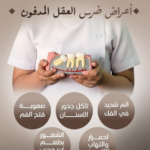
Early recognition of symptoms can prevent serious complications. Common indicators include:
Persistent Pain or Discomfort: When to Pay Attention
- Pain at the back of the mouth: A dull ache or sharp pain where wisdom teeth are emerging.
- Jaw soreness: Discomfort that makes chewing or speaking painful.
- Radiating pain: Discomfort spreading to the ear, temple, or causing headaches.
Swollen or Bleeding Gums: A Red Flag for Oral Health
- Inflammation: Red, tender, or swollen gums around the wisdom tooth area.
- Pericoronitis: Infection caused by bacteria trapped under gum flaps.
Difficulty Opening Your Mouth: Jaw Stiffness and Limited Movement
- Stiffness: A feeling of tightness in the jaw muscles.
- Limited range: Difficulty opening the mouth wide for eating or speaking.
Bad Breath and Unpleasant Taste: Indicators of Bacterial Buildup
- Trapped food: Debris caught in gum flaps leads to bacterial growth and foul odors.
Facial Swelling: A Visible Sign of Inflammation
- Visible swelling: Localized inflammation near the jawline due to infection.
Learn More About: Managing Dental Anxiety: Sedation Options Available in Dubai
Beyond Discomfort: How Impacted Wisdom Teeth Can Harm Your Oral Health
Impacted teeth can silently damage your mouth even without immediate symptoms.
Increased Risk of Gum Infections (Pericoronitis)
Partially erupted teeth create “traps” for bacteria, leading to recurrent, painful infections characterized by swelling and pus.
Tooth Decay: A Hidden Threat to Your Molars
The awkward position of impacted teeth makes them nearly impossible to clean, significantly increasing the risk of cavities in both the wisdom tooth and the adjacent second molar.
Damage to Adjacent Teeth: Protecting Your Healthy Smile
Pressure from an impacted tooth can cause root resorption (wearing away) of the second molar and damage its enamel, compromising its long-term health.
Gum Disease and Jaw Cysts: Serious Long-Term Risks
- Periodontal Disease: Chronic inflammation can lead to bone loss around neighboring teeth.
- Cysts: Fluid-filled sacs can form around the crown of an impacted tooth, destroying jawbone and damaging nearby nerves.
The Alignment Question: Can Impacted Wisdom Teeth Affect Your Smile?
While many believe wisdom teeth “push” other teeth out of alignment, research suggests they rarely cause significant crowding in a stable mouth. However, they can contribute to minor shifts in those already predisposed to crowding. Your dentist can assess if your wisdom teeth pose a specific risk to your alignment.
When to Seek Professional Help: Timely Dental Evaluation is Key
If you experience persistent pain, swelling, difficulty chewing, or bad breath, schedule an appointment at Pure White Clinic promptly. Early intervention prevents severe infections and protects your healthy teeth.
Accurate Diagnosis and Tailored Solutions at Pure White Clinic
Diagnostic Excellence
We use Panoramic X-rays and CBCT scans to determine the exact position and severity of impaction, ensuring a safe and precise treatment plan.
Treatment Options
- Monitoring: For asymptomatic, low-risk cases.
- Infection Management: Professional cleaning and antibiotics for acute issues.
- Extraction: The most common solution to prevent future complications and alleviate pain.
Cost of Wisdom Tooth Extraction in Dubai
At Pure White Clinic in Mirdif, we provide transparent pricing. Simple extractions typically range from AED 400-700, while complex surgical removals may range from AED 800 to AED 2,500+ per tooth. Many insurance plans cover a portion of these costs.
Smooth Recovery: What to Expect After Removal
Recovery for simple extractions takes 3-4 days, while impacted cases may require about 7 days.
- Management: Use cold compresses and prescribed pain medication.
- Diet: Stick to soft foods like yogurt and soup.
- Pro-Tip: Avoid smoking and using straws to prevent “dry socket.”
Protect Your Smile | Act Now
Impacted wisdom teeth are a significant risk to your oral health. Early diagnosis at Pure White Clinic in Mirdif, Dubai, is the best way to prevent pain, infection, and damage to your smile.
Contact Pure White Clinic today to schedule your comprehensive wisdom tooth consultation.
You May Also Like To Read: Swollen Gums: Causes, Symptoms, and Treatment Options
Frequently Asked Questions
How do I know if my wisdom tooth is impacted?
Look for jaw pain, swollen gums, bad breath, or difficulty opening your mouth. However, a dental examination and X-ray are needed to accurately diagnose an impacted wisdom tooth.
Can impacted wisdom teeth cause headaches?
Yes. Pressure from impacted wisdom teeth can strain the jaw and surrounding muscles, leading to headaches, facial pain, earaches, and discomfort that may worsen over time.
Is wisdom tooth removal always necessary?
Not always. If wisdom teeth are healthy, fully erupted, and properly aligned, they may not require removal. However, impacted teeth often need extraction to prevent complications.
Can impacted wisdom teeth cause bad breath?
Yes. Partially erupted or impacted wisdom teeth can trap food particles and bacteria, leading to persistent bad breath, unpleasant taste, gum inflammation, and recurring oral infections.
What happens if impacted wisdom teeth are left untreated?
Untreated impacted wisdom teeth may cause pain, infections, tooth decay, gum disease, damage to nearby teeth, and, in rare cases, cysts that affect the jawbone.